I have a box in my closet filled with notebooks. Some are from college, some from the early years of my career, some from the first months after my children were born. They are messy, half-finished, full of lists and fragments and sketches I no longer understand. I have not opened most of them in years.
They are, by any practical measure, useless. And I would not give them up for anything.
This is the tension at the heart of memory in the age of AI: we now have tools that can remember everything, organize everything, retrieve anything. And yet the things that matter most to us are often the things we remember imperfectly, selectively, humanly.
The promise of total recall
AI memory tools are getting remarkably good. They can summarize months of conversations, surface patterns in your own thinking, remind you of commitments you made six weeks ago. They can turn a chaotic pile of notes into a structured knowledge base. They can remember the name of the person you met at that conference, the book someone recommended in passing, the idea you had at 2 a.m. that you were sure you would remember in the morning.
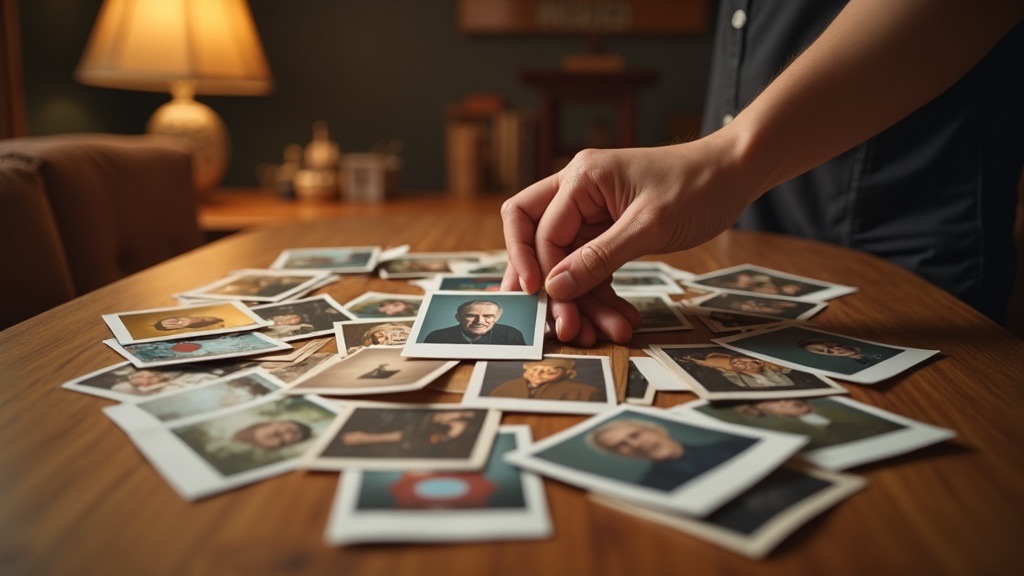
This is genuinely useful. The amount of information that slips through the cracks of a busy life is enormous, and most of it slips because our tools for capturing it are clumsy and our tools for retrieving it are worse.
But total recall is not the same as meaningful memory. And the difference matters more than we think.
Memory is not a filing cabinet. It is a garden. Some things are meant to grow. Some are meant to compost. And some are meant to be forgotten entirely.
The weight of keeping everything
There is a psychological cost to never forgetting. When every conversation is logged, every note is searchable, every passing thought is preserved, you lose the natural process by which your mind decides what matters.
Human memory is selective for a reason. We remember the feeling of a conversation more than the words. We remember the turning points, not the transitions. We compress years into a handful of vivid scenes, and those scenes become the story we tell ourselves about who we are.
AI does not compress. It accumulates. And accumulation without curation is not memory — it is hoarding.
Notes as thinking, not recording
The most valuable notes I have ever taken are not the ones that captured information accurately. They are the ones where I was thinking on paper — working something out, arguing with myself, trying to connect two ideas that did not obviously belong together.
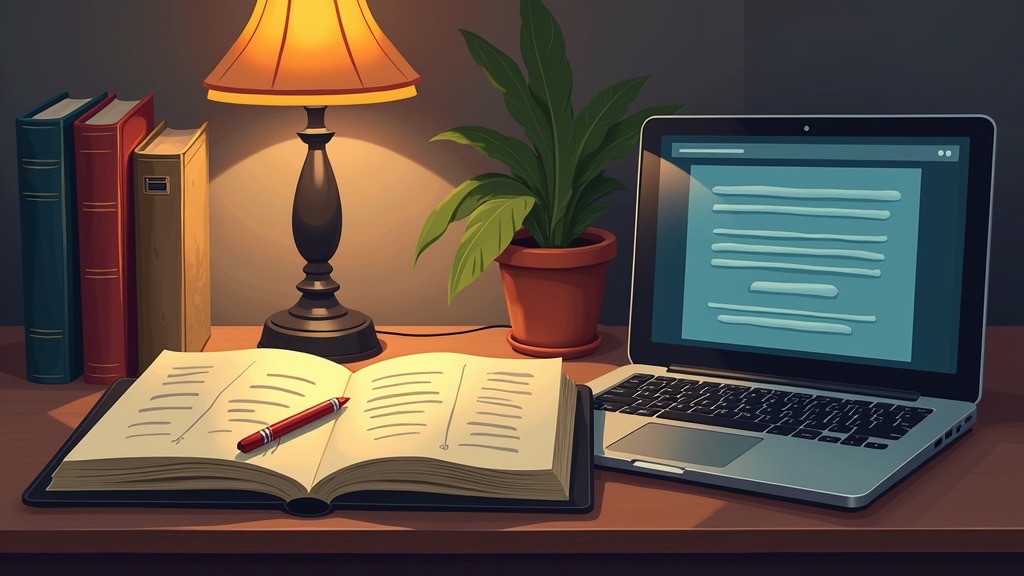
These notes are often wrong. They are frequently incomplete. But they are evidence of a mind in motion, and returning to them years later is like finding a conversation with a younger version of myself.
When AI takes notes for you — summarizing meetings, transcribing conversations, extracting action items — it captures the content but loses the thinking. The summary is clean and correct, but it is not yours. It did not come from the effort of deciding what was important enough to write down.
That act of deciding — this matters, this does not — is itself a form of understanding. When you take your own notes, you are not just recording. You are processing. You are choosing. You are making meaning.
A framework for what to keep
Not everything deserves to be remembered. And not everything that is remembered needs to be remembered by a machine. Here is a framework I have found useful:
Let AI remember the operational. Meeting notes, project timelines, reference information, contact details, recurring schedules. These are the things that slip through human memory not because they are unimportant, but because they are numerous. AI is excellent at holding this kind of information reliably and retrieving it quickly.
Keep the personal in your own hands. Journals, reflections, letters to your future self, the messy notes where you are working something out. These are the artifacts of your inner life, and they should bear the marks of your own hand — your handwriting, your word choices, your crossed-out sentences and margin doodles.
Let some things disappear. Not every thought needs to be captured. Not every conversation needs a transcript. The meal you cooked last Tuesday, the small argument that resolved itself, the forgettable Wednesday — these are the things that healthy forgetting takes care of. Trust the process.
Memory and identity
The deepest reason to think carefully about memory is that memory is identity. The story you tell about your past is the story you tell about who you are. If that story is curated entirely by an algorithm — optimized for relevance, stripped of the messy parts, organized into neat categories — it may be efficient, but it will not be yours.
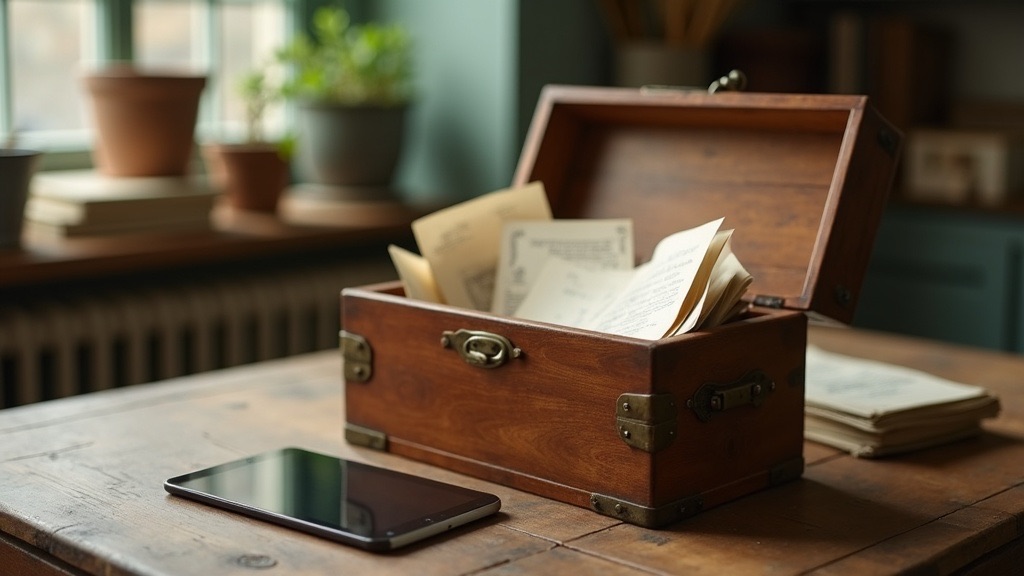
Your memory should have gaps. It should have distortions. It should have the warm glow of nostalgia and the sharp edges of regret. These imperfections are not bugs. They are the texture of a human life, and they are what make your story different from anyone else's.
I still write in paper notebooks. Not for everything — my grocery list lives on my phone, my work notes live in shared docs, my calendar is digital. But the thinking I want to keep, the reflections I want to find in ten years, the letters I write to my children about who they are right now — those go on paper, in my handwriting, imperfect and irreplaceable.
The box in my closet is not a backup system. It is a self-portrait, drawn slowly, over years, in fragments. No AI could have written it for me. And no AI should.
A note on how I write
I am not a writer. I am a person with strong opinions and scattered notes. Every essay on this site started as a messy brain-dump — half-formed arguments, bullet points, and “you know what I mean” — that I hand to an LLM. Another LLM handles the background research needed to find the facts that support an argument. And then it all gets translated into writing far too good for me to pretend is mine. The ideas are mine. The craft is not. They say blogs are dead — but I am falling in love with this. It gives me an outlet for expression that would otherwise have stayed buried in my head. I believe you deserve to know all of that.